What Is Gluten Free? Definition, Foods & Diet Guide
If you’ve ever stared at a grocery aisle wondering whether that “gluten-free” label actually means something, you’re not alone. Millions of shoppers actively seek out gluten-free products, yet what the term really means, who actually needs to avoid it, and which foods quietly harbor gluten surprises many. Mayo Clinic and the Celiac Disease Foundation have cut through the noise with clear definitions grounded in medical research.
Gluten-containing grains: wheat, barley, rye · Naturally gluten-free foods: fruits, vegetables, meat, dairy · Medical condition requiring gluten-free: celiac disease · Gluten-free labeling threshold: less than 20 ppm · Oats status: gluten-free if specially processed
Quick snapshot
- Gluten is a protein in wheat, barley, rye, and triticale (Mayo Clinic Health System)
- The FDA set the gluten-free threshold at under 20 parts per million, a rule that took effect in 2014 (U.S. Food and Drug Administration)
- Non-celiac gluten sensitivity remains difficult to diagnose with biomarkers — no single test confirms it (Mayo Clinic Health System)
- Whether generalized gluten avoidance benefits people without diagnosed conditions lacks strong evidence (Mayo Clinic Health System)
- The FDA issued its defining gluten-free rule on August 2, 2013; enforcement began in 2014 (U.S. Food and Drug Administration)
- Celiac Awareness Month runs every May — a reminder that diagnosis often lags years behind symptom onset (Mayo Clinic YouTube)
The following table summarizes the essential facts about gluten and the gluten-free diet.
| Label | Value |
|---|---|
| Definition | Diet excluding gluten protein |
| Key grains | Wheat, barley, rye, triticale |
| Safe categories | Produce, proteins, dairy |
| Condition treated | Celiac disease |
| FDA threshold | Less than 20 ppm |
| Pseudo-cereals | Amaranth, buckwheat, quinoa, sorghum, teff |
What exactly does gluten-free mean?
The phrase “gluten-free” describes an eating pattern that cuts out foods containing the protein called gluten. According to Mayo Clinic Health System, a gluten-free diet is “an eating plan that cuts out foods that have a protein called gluten.” The U.S. Food and Drug Administration formalized this definition in 2013, establishing that any product labeled gluten-free must contain less than 20 parts per million of gluten — essentially the lowest level detectable by standard laboratory methods.
Legal definition
The FDA’s final rule on August 2, 2013, gave manufacturers a clear standard for voluntary gluten-free labeling (U.S. Food and Drug Administration). Enforcement of these claims began the following year. The rule covers not just naturally gluten-free foods but also fermented and hydrolyzed products like yogurt, sauerkraut, and soy sauce — items where gluten processing can create hidden residue. A separate rule issued on August 12, 2020, closed that loophole for fermented foods.
Labeling rules
Three categories of products can carry the gluten-free label: foods that are naturally free of gluten (like fresh produce), foods made without gluten ingredients, and foods processed to remove gluten to below the 20 ppm threshold. The FDA guidance notes that naturally gluten-free items like fresh fruits or eggs often don’t need a label at all — they’re simply safe by nature (U.S. Food and Drug Administration). For alcoholic beverages, spirits made from grapes or other non-gluten ingredients can claim gluten-free status, while those distilled from wheat or barley must disclose potential residual gluten.
Starting a gluten-free diet before testing for celiac disease can mask the biomarkers doctors need to make an accurate diagnosis. Mayo Clinic Community Health advises waiting until testing is complete before eliminating gluten from your diet.
The implication is that anyone experiencing symptoms should seek testing before changing their diet — otherwise diagnosis may become impossible.
What is gluten and why do people avoid it?
Gluten is the common name for proteins found in wheat, barley, rye, and triticale — a hybrid grain combining wheat and rye. Mayo Clinic Health System describes it as a protein composite that gives dough its elastic texture, helping bread rise and keeping baked goods chewy. For most people, gluten is harmless. For roughly 1 in 100 people worldwide with celiac disease, however, it triggers an autoimmune response that damages the small intestine.
Protein structure
The gluten protein family includes gliadins and glutenins in wheat, hordeins in barley, and secalins in rye. Beyond the obvious sources like bread and pasta, gluten hides in spelt, kamut, farro, durum, bulgur, and semolina (Mayo Clinic Community Health). Less obvious sources include einkorn, emmer, and farina — all wheat varieties with concentrated gluten content. Even triticale, marketed as a healthy alternative grain, contains gluten.
Health triggers
The main conditions that medically require gluten avoidance are celiac disease, non-celiac gluten sensitivity, gluten ataxia, and dermatitis herpetiformis. Celiac disease is an autoimmune disorder where gluten damages the fingerlike villi lining the small intestine, impairing nutrient absorption (Mayo Clinic Health System). Non-celiac gluten sensitivity produces similar symptoms — abdominal pain, bloating, fatigue — but without the intestinal damage. Gluten ataxia is a neurological autoimmune disorder affecting nerve function and muscle control. Dermatitis herpetiformis causes an intensely itchy rash alongside intestinal involvement.
“Patients with celiac disease need to be on a gluten-free diet. That’s a medical necessity. It’s not a choice.” — Mayo Clinic physician
What this means is that for people with diagnosed celiac disease, dietary compliance isn’t optional — it is the only known treatment that prevents irreversible intestinal damage.
What foods are high in gluten?
The grains most people encounter daily that contain gluten are wheat, barley, rye, and triticale. Mayo Clinic Health System and the Celiac Disease Foundation both confirm these four as the primary sources. Wheat appears in bread, pasta, cereals, crackers, baked goods, and breading. Barley lurks in beer, malt vinegar, some soups, and brewer’s yeast. Rye shows up in rye bread, certain whiskeys, and some cereal grain products.
Common sources
Traditional Western diets lean heavily on wheat-based foods. A standard loaf of bread, a plate of spaghetti, a bowl of cereal, or a chicken nugget with breading all deliver substantial gluten. Beer is primarily made from barley, meaning most varieties contain gluten unless specifically labeled otherwise. Soy sauce — a staple in Asian cooking — is traditionally fermented from wheat, though tamari varieties often skip it.
Hidden gluten
The Celiac Disease Foundation warns that processed foods frequently contain hidden gluten through ingredients like modified food starch, malt extract, and hydrolyzed vegetable protein. Sauces, gravies, salad dressings, and broths often rely on these thickeners. Breaded or batter-coated foods — including some frozen meats and vegetables — carry gluten through the coating. Even seemingly safe items like marinated meats can harbor gluten if the marinade includes soy sauce or other grain-based additives. Naturally gluten-free foods like fruits and vegetables avoid these hidden sources entirely.
Oats do not inherently contain gluten, but most oats are cross-contaminated during harvesting or processing. The Celiac Disease Foundation advises seeking oats specifically labeled gluten-free to avoid exposure.
The catch is that even trace cross-contamination from shared equipment can trigger reactions in sensitive individuals — reading labels alone doesn’t guarantee safety.
What does gluten do to your body?
For people without gluten-related conditions, the protein passes through the digestive system without issue — much like any other dietary protein. Mayo Clinic Health System notes that gluten is harmless for most people. The body breaks it down like other proteins, and it provides the functional properties that make bread chewy and pizza dough stretchy.
Normal digestion
In a healthy digestive system, gluten proteins are cleaved by stomach enzymes and gut proteases into smaller peptides. These peptides normally get absorbed without triggering immune responses in non-celiac individuals. The body tolerates gluten the way it tolerates casein in milk or albumin in egg whites.
Intolerant reaction
For people with celiac disease, the story changes dramatically. When gluten peptides reach the small intestine, the immune system mistakenly identifies them as threats. The resulting attack damages the intestinal villi — the tiny finger-like projections that absorb nutrients. Over time, this villous atrophy leads to malnutrition, anemia, osteoporosis, and increased risk of other autoimmune disorders. Mayo Clinic notes that people with celiac must follow a strictly gluten-free diet for life — there is no cure, only management. In rare cases of refractory celiac disease, the intestinal damage persists despite strict adherence, typically evaluated after six months to one year of dietary control.
Refractory celiac disease is diagnosed when intestinal damage continues after 6–12 months of strict gluten avoidance, requiring additional medical evaluation.
The implication is that strict adherence matters — even occasional lapses can perpetuate damage in celiac patients, and refractory cases demand specialized gastroenterology care.
What happens to your body when you stop eating gluten?
For someone with celiac disease, removing gluten from the diet stops the autoimmune attack within days to weeks. Intestinal healing begins, typically measurable through follow-up blood tests and, if needed, biopsy. Mayo Clinic Community Health confirms that a gluten-free diet is essential for managing celiac disease, which damages the lining of the small intestine and prevents normal nutrient absorption.
Symptom relief
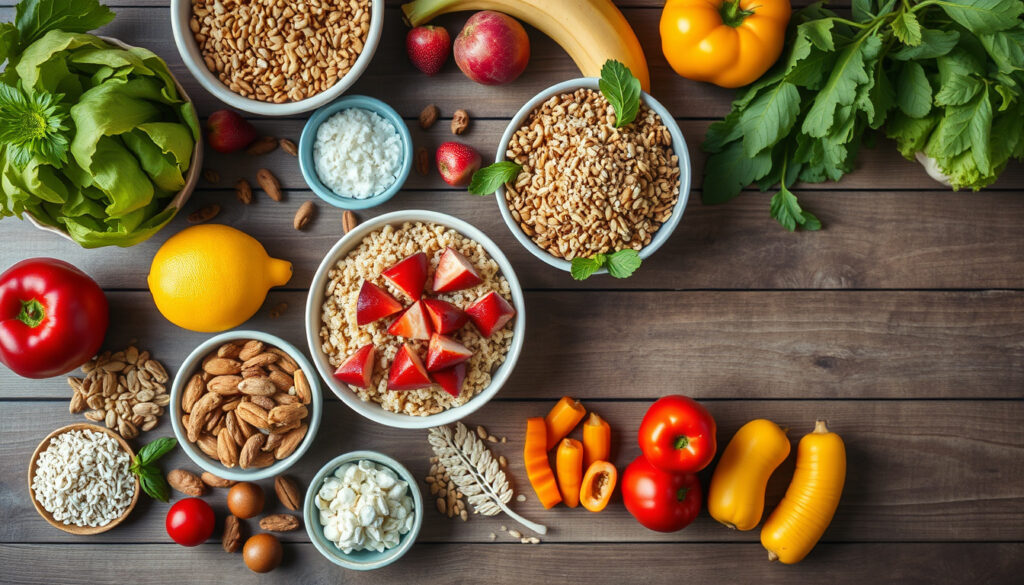
Patients with diagnosed celiac disease who eliminate gluten report reduced abdominal pain, normalized bowel movements, improved energy levels, resolution of skin rashes in dermatitis herpetiformis cases, and gradual restoration of nutrient levels over several months. The Celiac Disease Foundation notes that fruits, vegetables, meat, poultry, fish, seafood, dairy, beans, legumes, and nuts are naturally safe — making the dietary transition more manageable once you know where to shop.
Non-celiac effects
Mayo Clinic Health System cautions that for people without diagnosed celiac disease, wheat allergy, or non-celiac gluten sensitivity, a gluten-free diet likely offers no health benefit. The research consensus does not support generalized gluten avoidance as a wellness strategy for healthy individuals. Some people report feeling better after cutting gluten, but this may reflect concurrent dietary changes — increased fruit, vegetable, and whole-food intake — rather than gluten removal specifically.
Upsides
- Essential for managing celiac disease and preventing intestinal damage
- Relieves symptoms for those with non-celiac gluten sensitivity or wheat allergy
- Widely available naturally gluten-free foods (fruits, vegetables, meats) are affordable and nutritious
- Clear FDA labeling standard (under 20 ppm) helps informed purchasing
- Pseudo-cereals like quinoa, amaranth, and buckwheat offer protein and fiber alternatives
Downsides
- Eliminates whole grains linked to heart health and fiber intake for those without medical need
- Processed gluten-free products often cost more than conventional equivalents
- Risk of nutritional deficiencies if diet isn’t properly balanced with vitamins and minerals
- Cross-contamination risks remain even with labeled products in restaurants
- Diagnostic testing for celiac must occur before dietary changes — starting a gluten-free diet first can mask the condition
The pattern shows that the gluten-free diet’s value depends entirely on whether a medical condition justifies it — for celiac patients it is transformative, while for others it may introduce unnecessary restrictions and costs.
Related reading: naturally gluten-free foods like fruits and vegetables
celiac.org, dhc-la.com, pmc.ncbi.nlm.nih.gov, stanfordchildrens.org, fda.gov, my.clevelandclinic.org
Safe staples like rice thankfully contain no gluten, providing a versatile base for meals without celiac risks.
Frequently asked questions
Are eggs high in gluten?
No. Fresh eggs in their unprocessed form contain no gluten. According to Mayo Clinic dietary guidelines, eggs are a naturally gluten-free protein source. The risk comes only when eggs are prepared with batter, breading, or in processed products that include gluten-containing additives.
What’s the worst food with gluten?
No single food deserves that label, but regular wheat bread, pasta, beer, and soy sauce represent the most concentrated daily gluten sources in typical Western diets. For people with celiac disease, even trace cross-contamination from shared toasters or cooking oils can trigger reactions — so “worst” depends on your threshold for reaction, not the food’s gluten content alone.
What are the first signs of being gluten intolerant?
Celiac disease symptoms include persistent abdominal pain, bloating, diarrhea or constipation, unexplained weight loss, iron-deficiency anemia, fatigue, joint pain, and tingling in hands and feet. Dermatitis herpetiformis presents as an itchy, blistering skin rash. Non-celiac gluten sensitivity typically causes abdominal pain, bloating, and fatigue without intestinal damage — but requires careful differential diagnosis by a healthcare provider.
Are oats gluten-free?
Oats themselves are gluten-free, but most commercial oats are cross-contaminated with wheat, barley, or rye during growing, harvesting, or processing. The Celiac Disease Foundation recommends purchasing oats specifically labeled “gluten-free,” which are grown and processed in controlled environments. Even then, some individuals with celiac react to the protein avenin in oats.
What is gluten-free bread?
Gluten-free bread is made without wheat, barley, rye, or triticale flour. Instead, manufacturers use rice flour, tapioca starch, potato flour, almond flour, or blends of these. Brands like Tinkyada and Rudi’s produce gluten-free pasta and breads. Cleveland Clinic notes these products require different binding techniques since gluten’s elasticity is absent — the texture and crumb structure differ from conventional bread.
What is gluten-free pizza?
Gluten-free pizza uses a crust made from alternative flours — typically rice flour, cauliflower, or gluten-free flour blends — without wheat-based dough. Toppings follow standard gluten-free rules: fresh meats, vegetables, and dairy are safe, while cured meats or sauces containing wheat-based thickeners need verification.
What are the benefits of gluten-free?
For individuals with celiac disease, non-celiac gluten sensitivity, wheat allergy, gluten ataxia, or dermatitis herpetiformis, a gluten-free diet prevents disease progression and allows intestinal healing — an essential medical intervention. For healthy individuals without these diagnoses, no proven health benefits exist, and eliminating whole grains may actually reduce fiber intake and increase nutritional gaps.
“A gluten-free diet is an eating plan that cuts out foods that have a protein called gluten.”
Mayo Clinic Health System (Medical authority on nutrition and digestive health)
“Fruits, vegetables, meat and poultry, fish and seafood, dairy, beans, legumes, and nuts are gluten-free.”
Celiac Disease Foundation (National advocacy organization for celiac disease)
“The absence of gluten in natural and processed foods represents a key aspect of food safety of the gluten-free diet.”
PMC/NIH (Peer-reviewed research on celiac management)
For people with celiac disease, the choice is unambiguous — a strict, lifelong gluten-free diet isn’t optional but a medical requirement that restores health and prevents complications. For everyone else scrolling the grocery aisle wondering if they should switch, the evidence offers no compelling reason to change. Whole grains containing gluten remain part of a balanced diet for those without diagnosed conditions, and cutting them unnecessarily trades proven nutritional benefits for uncertain gains.
More related posts
 Ceramic Coating Near Me – Costs, Durability, Local Services
 Grizzlies vs Warriors Timeline: Rivalry History
 Wheel Bearing Replacement Cost: Signs, Safety & Prices
 Richest Woman in the World – Françoise Bettencourt Meyers Net Worth
 Upper Crust Bakery Bread in 6 States Recalled for Glass Fragments
 Capital One Venture X – Rewards Benefits and Value Review
 How Old Is Rod Stewart? Age, Wives, Children & Health
 Jim Irsay Cause of Death: Pneumonia, Overdoses & FBI Probe