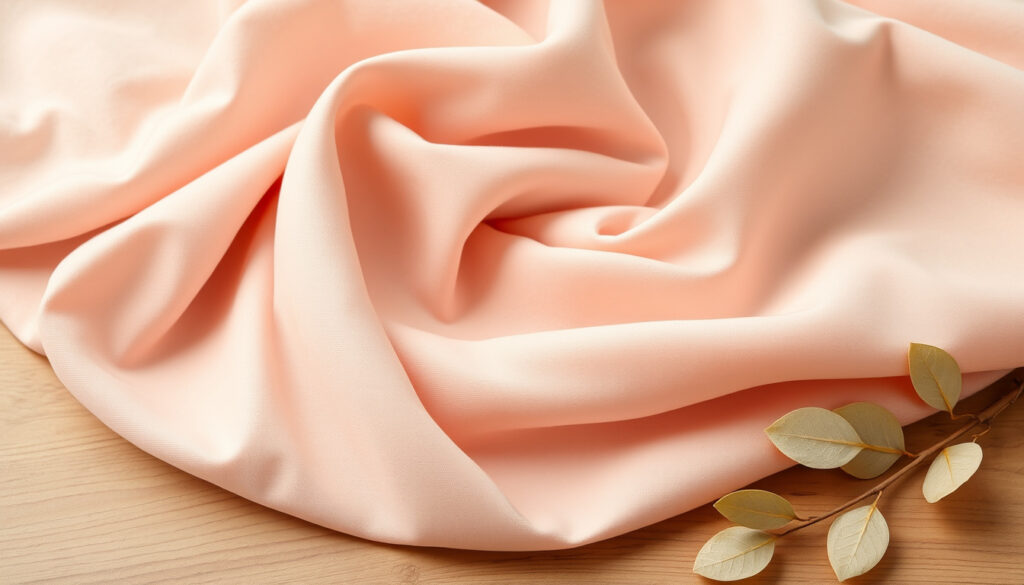
What Is Modal Fabric? Guide to Pros, Cons & Comparisons
Modal fabric delivers the comfort that clothing marketing promises but often fails to mention—while concealing production trade-offs that sustainability labels gloss over. Made from beech tree cellulose, this semi-synthetic textile outperforms cotton in moisture management and rivals silk in softness, yet its environmental credentials depend entirely on how and where it was manufactured.
Material Source: Beech tree cellulose ·
Fabric Type: Semi-synthetic rayon (HWM rayon) ·
Key Trait: High wet modulus for resilience ·
Common Uses: Underwear and consumer textiles ·
Eco Claim: Bio-based alternative to cotton
Quick snapshot
- Made from beech tree cellulose (Earth Day)
- Absorbs 50% more moisture than cotton (Alibaba)
- Lenzing Modal has low toxicity when certified (Copenhagen Fashion Summit)
- Exact toxicity levels vary by manufacturer
- Long-term ocean decomposition rates underexplored
- Certification verification gaps in supply chain
- Modal market share growing steadily through 2025
- Lenzing closed-loop innovations post-2000s
- Sustainable fabric trends accelerating adoption
- Increased certification scrutiny likely
- More brands adopting Lenzing standards
- Potential regulatory shifts on chemical use
One pattern emerges across the modal fabric landscape: the same material that feels luxurious against your skin carries a complex production backstory that most marketing never mentions.
Key specifications for modal fabric position it between natural and fully synthetic textiles.
| Attribute | Value | Source |
|---|---|---|
| Source Material | Beech tree pulp | Earth Day |
| Fabric Category | Semi-synthetic | Copenhagen Fashion Summit |
| Moisture Absorption | 50% more than cotton | Alibaba |
| Water Usage vs Cotton | 20 times less | Thigh Society |
| Toxicity (Lenzing Modal) | Low | Copenhagen Fashion Summit |
| Beech Tree Growth Rate | 1-2 feet per year | Earth Day |
| Beech Tree Lifespan | 250+ years | Earth Day |
| Ocean Contamination (Rayon) | 60% of fiber contamination | Endorfeen |
| Biodegradable | Yes (when pure) | Sino Silk |
| Typical Applications | Underwear, t-shirts | Alibaba |
What is modal fabric?
Modal fabric is a semi-synthetic textile derived from beech tree cellulose, classified as a type of high-wet-modulus (HWM) rayon. Unlike fully synthetic materials such as polyester, modal originates from natural plant matter—but the manufacturing process involves significant chemical intervention that distinguishes it from organic fabrics like cotton or hemp.
How is modal fabric made?
The production process begins with harvesting beech wood pulp from sustainably managed forests. Beech trees grow rapidly—1 to 2 feet per year—and can live for over 250 years, regenerating through coppicing without requiring replanting. This regenerative capacity underpins modal’s sustainability claims.
The pulp undergoes processing where cellulose molecules are extruded through spinnerets to create fibers. A key differentiator between modal and standard viscose rayon lies in the spinning process: modal uses longer cellulose molecules and modified spinning techniques that produce stronger, more resilient fibers. According to Earth Day’s analysis of man-made textiles, this molecular modification contributes to modal’s durability advantage over conventional rayon.
However, this chemical processing comes with trade-offs. Modal production traditionally involves carbon disulfide, a neurotoxin that poses health risks to workers and can contaminate air and water supplies in manufacturing regions. Lenzing Modal addresses this through a closed-loop system that recycles chemicals and water, significantly reducing environmental and health impacts—though not all modal manufacturers operate to this standard.
What are its basic properties?
- Absorbs up to 50% more moisture than cotton, drying faster and offering superior breathability
- Softer than cotton with a silk-like texture against the skin
- Resistant to shrinking and maintains shape after multiple washes
- Wrinkle-resistant, requiring less ironing than cotton
- Biodegradable when not blended with synthetic fibers
The implication: modal delivers tangible performance advantages over cotton in moisture management and maintenance—but those gains come with a chemical processing footprint that varies dramatically depending on the manufacturer.
Conventional modal production can involve carbon disulfide, a neurotoxin. Without certification from Lenzing or equivalent systems, chemical residues may persist in the finished fabric.
What are the downsides of modal fabric?
Despite its comfort credentials, modal fabric carries notable drawbacks that consumers should weigh before purchasing.
Processing chemicals involved
The chemical intensity of modal production remains the material’s most significant liability. Carbon disulfide used in conventional rayon manufacturing affects worker safety and environmental health in production regions. Lenzing Modal has replaced these toxic chemicals with non-toxic alternatives through its closed-loop process, but consumers have limited visibility into which manufacturers follow this standard.
The Copenhagen Fashion Summit’s toxicity guide notes that conventional modal may contain harmful residues if not certified, ranking modal as lower toxicity than standard rayon but higher than organic cotton or hemp. This means the “is modal fabric toxic” question genuinely depends on sourcing—certified modal from responsible manufacturers is substantially safer than uncertified alternatives.
Durability limits compared to synthetics
Modal lacks the rugged durability of polyester or nylon. While it outperforms standard viscose rayon in strength, modal garments require more careful handling than fully synthetic alternatives. Cotton tolerates higher washing temperatures and vigorous cleaning better than modal, which needs gentler care cycles to maintain integrity.
The fabric also decomposes slower than some other textiles due to water-repellent properties in certain treatments. Rayon fibers collectively account for 60% of fiber contamination found in deep ocean areas, raising environmental concerns about modal’s end-of-life journey when it does reach waterways.
The catch: modal occupies an awkward middle ground—more durable than viscose but less resilient than synthetics, with a production footprint that cleaner processes are only beginning to address.
When shopping for modal, look for OEKO-TEX® or GOTS certifications indicating safety standards and minimal chemical residues. Uncertified modal from unknown manufacturers carries undisclosed risk.
Is modal better than cotton?
The modal-versus-cotton comparison depends entirely on which cotton and which modal you’re examining. Both fabrics offer distinct advantages, and the sustainability calculus shifts based on farming and manufacturing practices.
Comfort and breathability
Modal excels in moisture management. The fabric absorbs up to 50% more moisture than cotton and dries faster, making it particularly suitable for summer wear and athletic applications. Alibaba’s comparison of modal versus cotton notes that modal’s breathability surpasses cotton in humid conditions, contributing to its popularity in underwear and activewear markets.
Cotton remains the more versatile choice for sensitive skin applications. Organic cotton avoids pesticides and chemicals entirely, ranking lower in toxicity than even certified modal according to the Copenhagen Fashion Summit’s fabric safety comparison. For consumers with skin conditions or allergies, organic cotton may actually present fewer risks than modal, despite modal’s softer hand feel.
Eco-friendliness factors
Modal production uses up to 20 times less water than cotton, according to Thigh Society’s fabric analysis—a significant advantage in water-scarce regions. Beech trees for modal thrive in less fertile soil with minimal irrigation, whereas cotton cultivation demands substantial water inputs and often relies on pesticide-intensive conventional farming.
However, cotton farming has evolved. Pima cotton requires less water and fewer pesticides than conventional cotton due to longer fibers, while organic cotton maintains soil health and protects farmers from chemical exposure. The TRVST’s modal fabric analysis notes that production can contribute to deforestation unless sourced from sustainable forests like those managed by Lenzing.
Both materials are biodegradable when not blended with synthetics—but that “when” matters. Blended fabrics containing polyester or nylon components will persist in landfills or oceans regardless of their natural fiber content.
Organic cotton avoids production chemicals entirely but demands more water and land. Lenzing Modal reduces chemical use but depends on sustainable forestry verification. Neither option is universally “better”—context determines the answer.
Modal’s water advantage is real but conditional—certified modal from responsible manufacturers delivers on eco-promises, while conventional modal merely borrows the sustainability label without earning it.
Is modal fabric toxic?
The toxicity question for modal fabric has a nuanced answer: it depends on the source, certifications, and manufacturing standards. Understanding the spectrum helps consumers make informed choices.
Chemical residues
Conventional modal production involves carbon disulfide, a neurotoxin linked to neurological damage in factory workers and environmental contamination. Endorfeen’s deep-dive into modal’s pros and cons documents how this chemical poses health risks throughout the production chain.
However, Lenzing Modal specifically replaces toxic chemicals with non-toxic alternatives and operates closed-loop systems that recycle processing agents. The Copenhagen Fashion Summit’s toxicity guide ranks Lenzing Modal as having low toxicity—comparable to safer textile options and substantially lower than polyester.
Skin safety
For most consumers, certified modal is safe to wear against skin. The Copenhagen Fashion Summit notes that Lenzing Modal causes fewer allergic reactions than polyester, making it suitable for sensitive skin in certified forms. OEKO-TEX® and GOTS certifications indicate modal meets safety standards with minimal chemical residues.
The critical distinction: conventional modal without certification may contain harmful residues that certified versions eliminate. For consumers concerned about chemical exposure, the answer lies in supply chain transparency and certification verification rather than avoiding modal entirely.
The implication: modal’s toxicity profile is a sliding scale determined by manufacturing standards. Certified modal from responsible producers presents minimal risk; uncertified alternatives carry undisclosed exposure.
Seek OEKO-TEX® or GOTS certified modal to minimize chemical exposure. For those with chemical sensitivity, organic cotton or hemp may present lower-risk alternatives regardless of modal’s comfort advantages.
Is modal the same as polyester?
Despite both being used in soft garments, modal and polyester are fundamentally different materials with contrasting environmental and health profiles.
Material differences
Modal originates from beech tree cellulose—a renewable, bio-based resource. Polyester derives from petroleum, a non-renewable resource with a fossil-fuel production footprint. This fundamental distinction shapes their environmental profiles from raw material extraction through end-of-life disposal.
Polyester ranks as high toxicity in the Copenhagen Fashion Summit’s fabric safety comparison—substantially higher than even conventional modal. Polyester also sheds microplastics during washing, contributing to ocean pollution in ways that modal does not.
Key distinctions
- Modal is biodegradable; polyester persists in landfills for centuries
- Modal absorbs moisture; polyester repels it (contributing to odor issues)
- Modal produces no microplastic shedding; polyester releases microplastics with every wash
- Modal has lower toxicity when certified; polyester maintains high toxicity across all production methods
- Modal originates from renewable resources; polyester depends on petroleum
- Modal requires gentler care; polyester tolerates aggressive washing and wear
Sino Silk’s modal-versus-cotton comparison notes that modal is more durable and stronger than standard viscose rayon, but this durability advantage disappears when compared to polyester’s rugged resilience. For workwear or high-stress applications, polyester outperforms modal—but at a significant environmental cost.
The pattern: modal and polyester serve different purposes despite surface similarities. Modal offers bio-based comfort with lower toxicity; polyester delivers durability and maintenance convenience at environmental expense.
Upsides
- Bio-based from renewable beech forests
- Superior moisture absorption (50% more than cotton)
- Low toxicity when Lenzing-certified
- Biodegradable in pure form
- No microplastic shedding
- 20x less water than cotton production
- Silk-like softness without silk price
Downsides
- Chemical processing required (carbon disulfide)
- Less durable than polyester or nylon
- Requires gentle care (no high-heat washing)
- Toxicity varies by manufacturer
- Rayon fibers contribute to ocean contamination
- Deforestation risk if not sustainably sourced
- Higher production energy without modern controls
How does modal compare to other fabrics?
Understanding modal’s position in the broader textile landscape helps contextualize its strengths and limitations against competing materials.
These properties position modal between natural and synthetic alternatives on key sustainability and performance metrics.
| Property | Modal | Cotton | Polyester | Hemp |
|---|---|---|---|---|
| Source | Beech cellulose | Cotton plant | Petroleum | Cannabis plant |
| Renewable | Yes | Yes | No | Yes |
| Water Usage | Very low | High | Low | Low |
| Chemical Processing | Moderate | Moderate (pesticides) | High | Minimal |
| Toxicity Level | Low (certified) | Very low (organic) | High | Very low |
| Biodegradable | Yes (pure) | Yes (pure) | No | Yes |
| Microplastic Shedding | None | None | Significant | None |
| Durability | Moderate | High | Very high | High |
| Moisture Wicking | Excellent | Good | Good | Moderate |
| Skin Sensitivity | Good (certified) | Excellent | Poor | Good |
The Copenhagen Fashion Summit’s fabric safety guide positions modal below organic cotton and hemp in toxicity rankings but well above polyester. For consumers prioritizing both comfort and environmental responsibility, modal represents a reasonable middle ground—provided certification verifies production standards.
What certifications matter for modal fabric?
Navigating modal’s sustainability claims requires understanding which certifications actually verify production standards versus which are merely marketing language.
OEKO-TEX® Standard 100
This certification verifies that the finished fabric contains no harmful substances at levels exceeding regulatory thresholds. For modal, OEKO-TEX® testing addresses chemical residues from processing—including any carbon disulfide or other solvents that may persist in conventional production.
GOTS (Global Organic Textile Standard)
GOTS certification ensures organic sourcing and environmentally responsible processing throughout the supply chain. For modal to carry GOTS certification, it must demonstrate chemical transparency and sustainable forestry practices from tree to textile.
Lenzing Modal
Lenzing operates the most rigorous modal production standards, using closed-loop systems that recycle chemicals and water while eliminating toxic alternatives. Lenzing Modal specifically addresses the carbon disulfide concerns that plague conventional rayon production.
What this means: consumers cannot assume “modal” equals “sustainable.” Certification verification is essential—look for specific mention of OEKO-TEX®, GOTS, or Lenzing sourcing to confirm production standards meet the eco-promises.
Safety and Care Tip: Wash modal in cold water to prevent shrinking and maintain fiber integrity. (Copenhagen Fashion Summit)
It feels like wearing air—making modal a superior summer fabric over cotton. (Consumer review via Alibaba)
For shoppers seeking modal’s comfort benefits without the environmental trade-offs, the decision is clear: certified modal from verified sources, or organic cotton and hemp as lower-risk alternatives. Uncertified modal carries undisclosed production baggage that no soft-hand-feel can justify.
Related reading: Smart Casual Dress Code · What Is a Variable
While modal fabric excels in breathability and softness for underwear, its pros and cons vs cottonhighlights chemical production concerns often overlooked in sustainability claims.
Frequently asked questions
Is Modal fabric natural?
Modal occupies a middle ground—semi-synthetic rather than fully natural or fully synthetic. It derives from beech tree cellulose (a natural source), but the manufacturing process involves significant chemical intervention to transform wood pulp into wearable fibers. This places modal between entirely natural fabrics like organic cotton and purely synthetic materials like polyester.
Is modal fabric good for skin?
Certified modal from Lenzing or OEKO-TEX® verified sources is generally safe for sensitive skin, causing fewer allergic reactions than polyester according to the Copenhagen Fashion Summit. However, uncertified modal may contain chemical residues that could irritate sensitive skin. For maximum safety, look for specific certifications rather than assuming all modal is equally skin-friendly.
Is Modal fabric stretchy?
Modal has moderate stretch properties, though it is not as elastic as materials like spandex or elastane blends. It drapes well and maintains shape better than cotton, but for high-stretch applications, modal is typically blended with small percentages of elastane to achieve desired flexibility.
What is the 3-3-3 rule for clothes?
The 3-3-3 rule is a minimalist wardrobe principle suggesting you can create diverse outfits with 3 tops, 3 bottoms, and 3 pairs of shoes. While not directly related to modal fabric, this approach pairs well with investing in high-quality modal garments for their comfort and versatility—fewer pieces can still provide variety through modal’s drape and aesthetic qualities.
What is the most unhealthy fabric to wear?
Polyester ranks as the highest-toxicity fabric in the Copenhagen Fashion Summit’s safety comparison, primarily due to petroleum sourcing, chemical processing, and microplastic shedding during washing. For consumers prioritizing skin health and chemical exposure, polyester should be minimized in favor of certified natural or semi-synthetic alternatives like modal or organic cotton.
What fabrics to stay away from?
Conventional polyester, certain treated rayons, and fabrics without certification verification carry the highest health and environmental concerns. Specifically: avoid polyester if chemical exposure is a concern, steer clear of uncertified rayon variants with undisclosed production methods, and always verify sustainability claims with specific certifications (OEKO-TEX®, GOTS, or Lenzing sourcing) rather than accepting marketing language at face value.
More related posts
 Parts of a Cell: Structure, Organelles, and Functions
 When Does Happy Gilmore 2 Come Out? Release Date & More
 Eid al-Adha 2025 Date – June 6 Saudi Arabia, June 7 South Asia
 Antitrust Tech News Today: Big Tech Cases & Rulings
 The New York Times: History, Credibility, Products & Access Guide
 In and Out Secret Menu: Full Guide to Items and Orders
 Applebee’s Evansville Closing: Both Locations Shut Down 2026