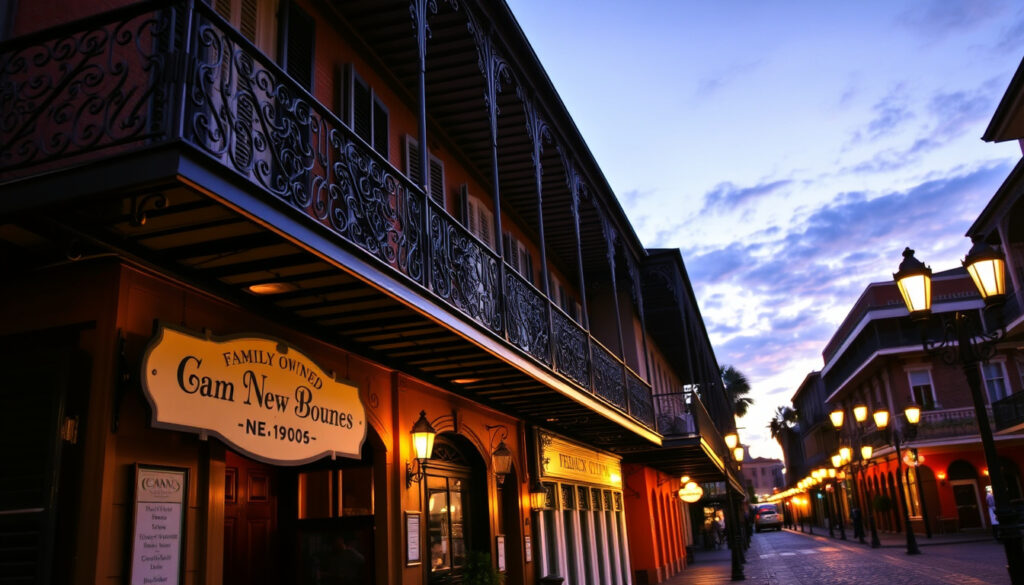
Family Business New Orleans – Iconic Historic Spots
New Orleans has long been a city where family legacies define the landscape. From Creole cuisine pioneers to neighborhood grocers who weathered every storm, these businesses form the backbone of the city’s identity. Many have operated for multiple generations, adapting to economic shifts, natural disasters, and changing tastes while preserving traditions that define what makes New Orleans unique.
The importance of family-owned establishments extends beyond commerce. These ventures serve as community anchors, places where locals gather, histories are shared, and cultural practices are transmitted from one generation to the next. In a city known for its distinctive blend of French, African, Caribbean, and Southern influences, family businesses have been instrumental in maintaining the authenticity that draws millions of visitors each year.
This guide explores the most significant family-owned businesses in New Orleans, examining how they have shaped local culture, survived unprecedented challenges, and contributed to the city’s remarkable recovery and continued growth.
What are the most iconic family-owned businesses in New Orleans?
New Orleans hosts numerous historic family-owned restaurants, shops, and bakeries in areas like the French Quarter and Garden District. Many are among the oldest and longest-running establishments in the country, contributing significantly to the city’s cultural identity and economic recovery through 2025.
Founded: 1941
Creole Cuisine
Tremé
Founded: 1862
Beignets & Coffee
French Quarter
Founded: 1913
Barbecued Shrimp
Uptown
Founded: 1970s
Vietnamese Breads
New Orleans East
- Multiple James Beard winners: Dooky Chase’s earned America’s Classics status in 2025; Dong Phuong received the honor in 2018; Willie Mae’s Scotch House won in 2005.
- Over 800 restaurants operated in New Orleans before Hurricane Katrina struck in 2005.
- Family operations represent decades of continuity: The oldest establishments span more than 160 years of continuous operation.
- Tourism employs over 80,000 workers in the hospitality sector, with family businesses driving much of that economic activity.
- Post-recovery visitor numbers climbed from 3.7 million in 2006 to a record 19 million by 2019, with consistent growth through 2025.
- Multicultural heritage is embedded in these businesses, representing Creole, African American, Vietnamese, Italian, and French traditions.
| Business Name | Year Founded | Specialty | Notable Recognition |
|---|---|---|---|
| Cafe du Monde | 1862 | Beignets, Coffee | National landmark status |
| Commander’s Palace | 1880 | Creole Fine Dining | James Beard multiple wins |
| Dooky Chase’s | 1941 | Creole Cuisine | 2025 James Beard America’s Classics |
| Pascal’s Manale | 1913 | Barbecued Shrimp | Post-Katrina survivor |
| Dong Phuong Bakery | 1970s | Vietnamese Breads & Pastries | 2018 James Beard America’s Classics |
| Willie Mae’s Scotch House | 1940s | Fried Chicken | 2005 James Beard winner |
| Rubensteins | Early 1900s | Men’s Clothing / Hotel | Retail-to-hospitality evolution |
| Dew Drop Inn | 1938 | Hotel, Music Venue | Music legends hosted; reopened 2024 |
Restaurants that define New Orleans’ culinary identity
These establishments embody more than their menu offerings. Dooky Chase’s Restaurant in the Tremé neighborhood has served as a gathering place for civil rights leaders while showcasing Black artists through its extensive art collection. The restaurant earned the 2025 James Beard America’s Classics award for its enduring role in Black American culture and cuisine, recognizing nearly eight decades of family ownership.
Commander’s Palace in the Garden District represents another pillar of Creole fine dining. The restaurant provided early career opportunities to Emeril Lagasse before he became a national culinary figure. It endured Hurricane Katrina and played a role in sparking the post-2010 restaurant renaissance that nearly restored pre-storm numbers.
Beyond dining: retail and hospitality traditions
Not all family businesses in New Orleans focus on food. Rubensteins began as a men’s clothing store operated by the Rubenstein family at locations on Canal Street and St. Charles Avenue. The business evolved over time, with the family becoming part-owners of the Rubenstein Hotel, adding 40 rooms and blending retail history with hospitality revival.
The James Beard Foundation has repeatedly recognized New Orleans family businesses. Winners include Dooky Chase’s (2025), Dong Phuong Bakery (2018), and Willie Mae’s Scotch House (2005). This recognition highlights the city’s role as a crucible for American culinary traditions.
How have family businesses shaped New Orleans culture?
Family businesses have served as social infrastructure for New Orleans, functioning as gathering spaces where community bonds form and strengthen. These establishments often host events ranging from birthday celebrations to civic meetings, creating neutral ground where diverse populations intersect. The cultural blending that defines New Orleans—French, African, Caribbean, Latin, and Southern influences—finds expression through these businesses.
The role of food in cultural preservation
Dishes like jambalaya, étouffée, and po-boys represent more than local cuisine. They carry historical narratives of communities that developed these preparations over generations. Family-owned restaurants serve as custodians of these culinary traditions, transmitting techniques and recipes to new generations while adapting to contemporary tastes.
Dong Phuong Bakery exemplifies immigrant contributions to New Orleans’ cultural fabric. The Vietnamese family bakery received James Beard America’s Classics recognition in 2018, highlighting how immigrant families have enriched the city’s culinary landscape. Their king cake and banh mi have become beloved additions to local food culture.
Music venues and nightlife as cultural anchors
The Dew Drop Inn opened in 1938 under the Painia family in Central City, functioning as hotel, music venue, and barbershop. The establishment hosted legends including Ray Charles, cementing its place in American music history. After closing, the venue sat dormant until reopening in February 2024 with 17 rooms, a pool, and live music programming, reviving cultural traditions for a new generation.
Family businesses often employ multiple generations simultaneously, creating informal apprenticeship systems where younger family members learn trades alongside elders. This approach preserves institutional knowledge while ensuring economic opportunities remain within families and communities.
Economic impact and community investment
The economic contributions of family businesses extend throughout the community. Tourism in New Orleans employs more than 80,000 workers, generating millions in tax revenue that supports infrastructure improvements and educational programs. The Louisiana Restaurant Association reports that family operations have driven many of the success stories emerging from the post-Katrina recovery period.
Which family businesses survived Hurricane Katrina?
Hurricane Katrina struck New Orleans in August 2005 with devastating effect. Flooding closed nearly half of the approximately 800 restaurants operating in the city. Across Louisiana, Hurricane Katrina and Rita together shuttered more than 4,000 establishments, displacing over 100,000 workers. Many iconic spots were gutted or lost forever, threatening the food heritage that had developed over centuries.
Businesses that endured the storm
Several family-owned establishments demonstrated remarkable resilience. Dooky Chase’s Restaurant survived the flooding and reopened, continuing Leah Chase’s legacy as a civil rights gathering place. Cafe du Monde also reopened after the storm, maintaining its status as a tourism draw and symbol of New Orleans’ French heritage.
Pascal’s Manale in Uptown exemplifies the food scene’s rebound. Family-run since 1913 and famed for its barbecued shrimp, the restaurant survived Katrina and contributed to the broader recovery effort. Similarly, Commander’s Palace endured the storm and helped spark the post-2010 restaurant renaissance.
Community response and mutual aid
Surviving establishments fed volunteers, hosted community forums, and participated in relief efforts. The Louisiana Restaurant Association coordinated initiatives including Members Helping Members and an Employee Relief Fund to support displaced workers and struggling business owners. These programs demonstrated how family businesses supported the broader community even while recovering themselves.
The recovery was not linear. COVID-19 in 2020 caused additional closures and labor shortages, creating new obstacles for businesses that had survived Katrina. Family operations continue adapting to workforce challenges while maintaining traditional practices.
Recovery timeline: from devastation to renewal
Understanding how family businesses returned to prominence requires examining the sequence of events following Hurricane Katrina. The recovery spanned nearly two decades and involved multiple phases of rebuilding.
- 2005: Hurricane Katrina strikes, flooding closes nearly half of ~800 restaurants; >100,000 workers displaced statewide.
- 2006: Tourism reaches low point with 3.7 million visitors; global public relations efforts begin rebuilding the city’s image after $2 billion in convention losses.
- 2006: James Beard Foundation hosts event featuring 20+ New Orleans chefs, signaling the culinary community’s commitment to recovery.
- 2010–2015: Restaurant renaissance period; numbers nearly restore to pre-Katrina levels.
- 2018: Dong Phuong Bakery receives James Beard America’s Classics recognition.
- 2019: Record 19 million visitors; new establishments emerge including Higgins Hotel, partnered with the WWII Museum.
- 2020: COVID-19 pandemic causes additional closures and labor challenges.
- 2024: Visitors return to 19 million; Dew Drop Inn reopens; James Beard awards recognize Jewel of the South and Dakar NOLA.
- 2025: Dooky Chase’s receives James Beard America’s Classics award; tourism economy generates millions in tax revenue for education and infrastructure.
What’s established versus what’s unclear about New Orleans family businesses
While substantial information exists about major family-owned establishments, some aspects remain better documented than others.
| Established Information | Areas of Uncertainty |
|---|---|
| Specific founding years for major establishments (Cafe du Monde 1862, Pascal’s Manale 1913) | Exact number of family businesses currently operating in New Orleans |
| James Beard award winners and their years of recognition | Comprehensive directory of all surviving Katrina-era businesses |
| Tourism visitor numbers from 2006 through 2025 | Ownership succession details for many smaller operations |
| Hurricane Katrina’s impact on restaurant closures (~half of 800) | Current financial status of individual family businesses |
| Specific recovery programs coordinated by the Louisiana Restaurant Association | Details about family operations not covered in major media |
Why family businesses matter to New Orleans’ future
Family-owned establishments serve as anchors in an economy increasingly shaped by chain operations and short-term rentals. They provide continuity in neighborhoods experiencing rapid change, maintain architectural and cultural character, and create economic multipliers as revenue circulates within local communities rather than flowing to distant shareholders.
The success of these businesses demonstrates how tradition and adaptation can coexist. Operations like Rubensteins have evolved from retail into hospitality, while restaurants have expanded menus and service models while preserving signature dishes. This flexibility, rooted in family commitment rather than quarterly earnings pressures, enables long-term thinking about community impact.
As New Orleans continues rebuilding and growing, family businesses will likely remain central to discussions about economic development, cultural preservation, and neighborhood character. Their survival through Katrina, COVID-19, and other challenges offers lessons about resilience that extend beyond any single industry or neighborhood.
What sources document New Orleans’ family business heritage?
Multiple sources provide documentation of New Orleans’ family business landscape. The Louisiana Restaurant Association has tracked industry recovery and coordinated mutual aid programs. Local publications including Where Y’at magazine have chronicled family-run establishments. National coverage from outlets like Word In Black has examined the intersection of food heritage and community resilience.
“Restaurants symbolized rebirth after Katrina, becoming social hubs that preserved heritage and drew global acclaim.”
— Word In Black, August 2025
“Collectively, these businesses form a ‘living timeline’ of New Orleans, fostering community and drawing billions in investment.”
— New Orleans Tourism Report, 2025
Supporting family businesses in New Orleans today
Visitors and residents can support family-owned establishments by prioritizing locally-operated restaurants, shops, and venues when making spending decisions. Many family businesses now offer online ordering and delivery, making support convenient regardless of physical proximity. Exploring neighborhoods beyond the French Quarter reveals additional opportunities to engage with multigenerational operations serving their communities.
The story of family businesses in New Orleans reflects the broader narrative of a city that refuses to be defined by its disasters. From surviving Katrina to navigating pandemic-era challenges, these operations demonstrate remarkable adaptability while maintaining the traditions that give New Orleans its distinctive character.
For those interested in exploring related topics, consider researching Ceramic Coating Near Me – Costs, Durability, Local Services for local service information or reviewing Spectrum Internet Speed Test – Check Download Upload Latency for connectivity resources in the area.
Frequently asked questions
What is the oldest family-owned restaurant in New Orleans?
Cafe du Monde, founded in 1862, is among the oldest family-operated establishments. It has operated continuously in the French Quarter, surviving multiple challenges including Hurricane Katrina.
Which New Orleans family businesses have won James Beard awards?
Several have received recognition: Dooky Chase’s (2025 America’s Classics), Dong Phuong Bakery (2018 America’s Classics), Willie Mae’s Scotch House (2005), and multiple establishments have earned other James Beard honors.
How did Hurricane Katrina affect family-owned restaurants?
Katrina flooded nearly half of New Orleans’ approximately 800 restaurants. Many family businesses lost everything but eventually rebuilt, with recovery spanning nearly two decades.
Are there family-owned businesses outside the French Quarter?
Yes. Family businesses operate throughout New Orleans, including the Garden District (Commander’s Palace), Tremé (Dooky Chase’s), Uptown (Pascal’s Manale), Central City (Dew Drop Inn), and New Orleans East (Dong Phuong Bakery).
How has tourism affected family businesses in New Orleans?
Tourism employs over 80,000 workers and generates significant tax revenue. Visitor numbers have grown from 3.7 million in 2006 to 19 million by 2024-2025, supporting family business growth.
What is the economic impact of family businesses in New Orleans?
Family businesses contribute substantially to the local economy through employment, tax revenue, and investment. The hospitality sector generates millions for education and infrastructure annually.
Which family business represents immigrant contributions to New Orleans?
Dong Phuong Bakery represents Vietnamese immigrant contributions. The family bakery earned James Beard America’s Classics recognition in 2018 and is known for king cake and banh mi.
How can visitors support family-owned businesses in New Orleans?
Visitors can prioritize locally-operated establishments, explore neighborhoods beyond tourist areas, and engage with businesses that reflect the city’s diverse cultural heritage.
More related posts
 Guardians of the Galaxy 3 Cast: Full List and Hidden Details
 Good American Family Cast: True Story, Actress Age, Episodes
 Empire TV Show Cast: Main Actors, Roles & Cancellation Story
 Cast of Zero Day TV Series – Full List of Actors & Roles
 Journey to the Center of the Earth 2: The Mysterious Island Review
 Throne of Gla Serie Order to Read: Complete Guide
 Parts of a Cell: Structure, Organelles, and Functions